Corrosion Testing
Standing Up to Environmental Conditions
Corrosion can be costly and devastating, so testing for corrosion susceptibility makes sense before damage occurs. All metals and alloys are susceptible to corrosion under some environmental conditions, so corrosion testing can help compare materials, estimate the life of products, and determine if the material will meet the needs of its intended application.
The corrosion specialists at Laboratory Testing provide many types of corrosion analysis to help you select the most appropriate materials and protective treatments for your products. Although corrosion testing is frequently performed during product design, it can also be extremely helpful in providing answers when an unexpected corrosion problem occurs with a product in service. We utilize corrosion analysis and other relevant materials testing to identify corrodents and environmental factors responsible for corrosion attack or perform a full root cause failure analysis.
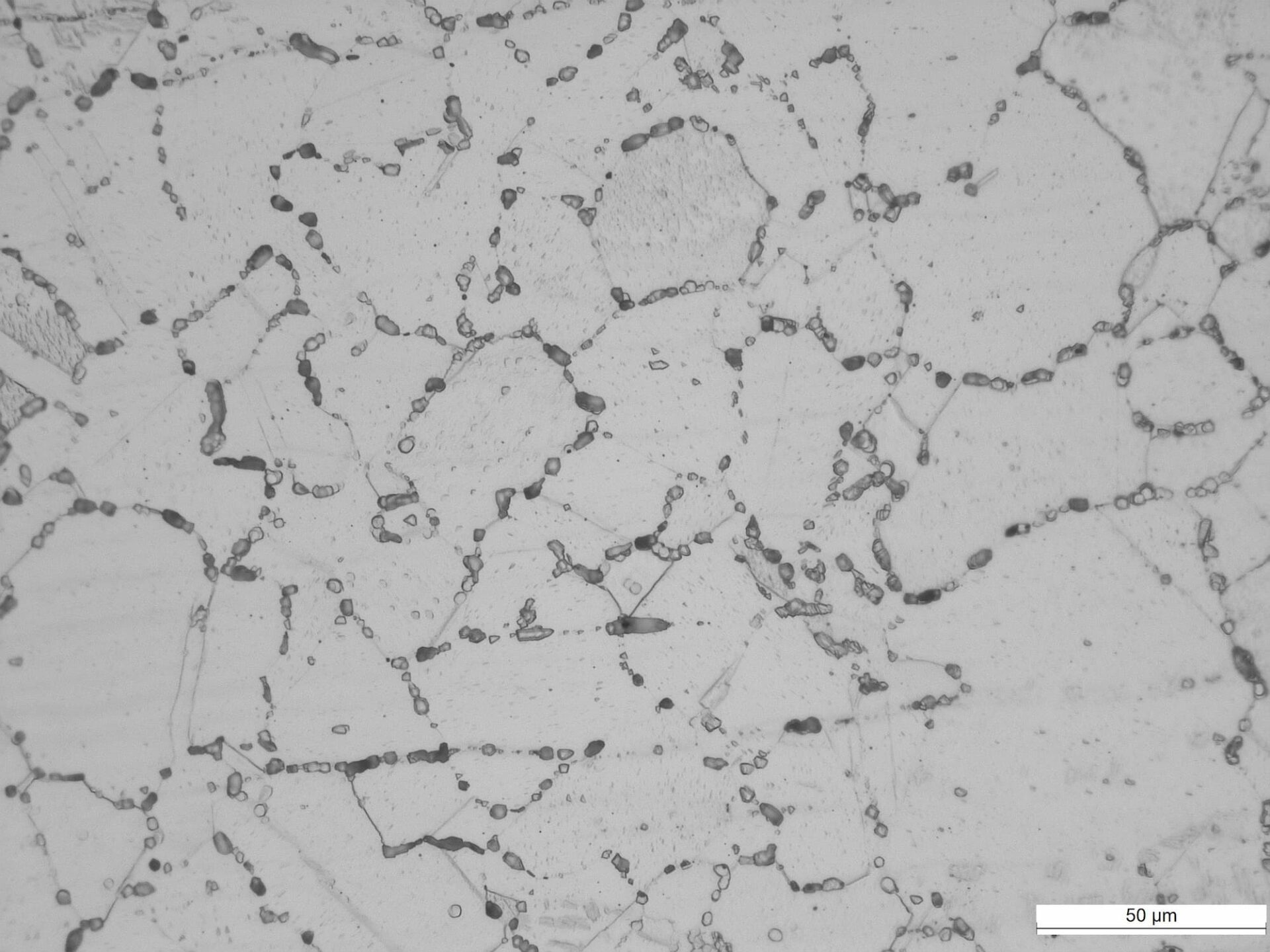
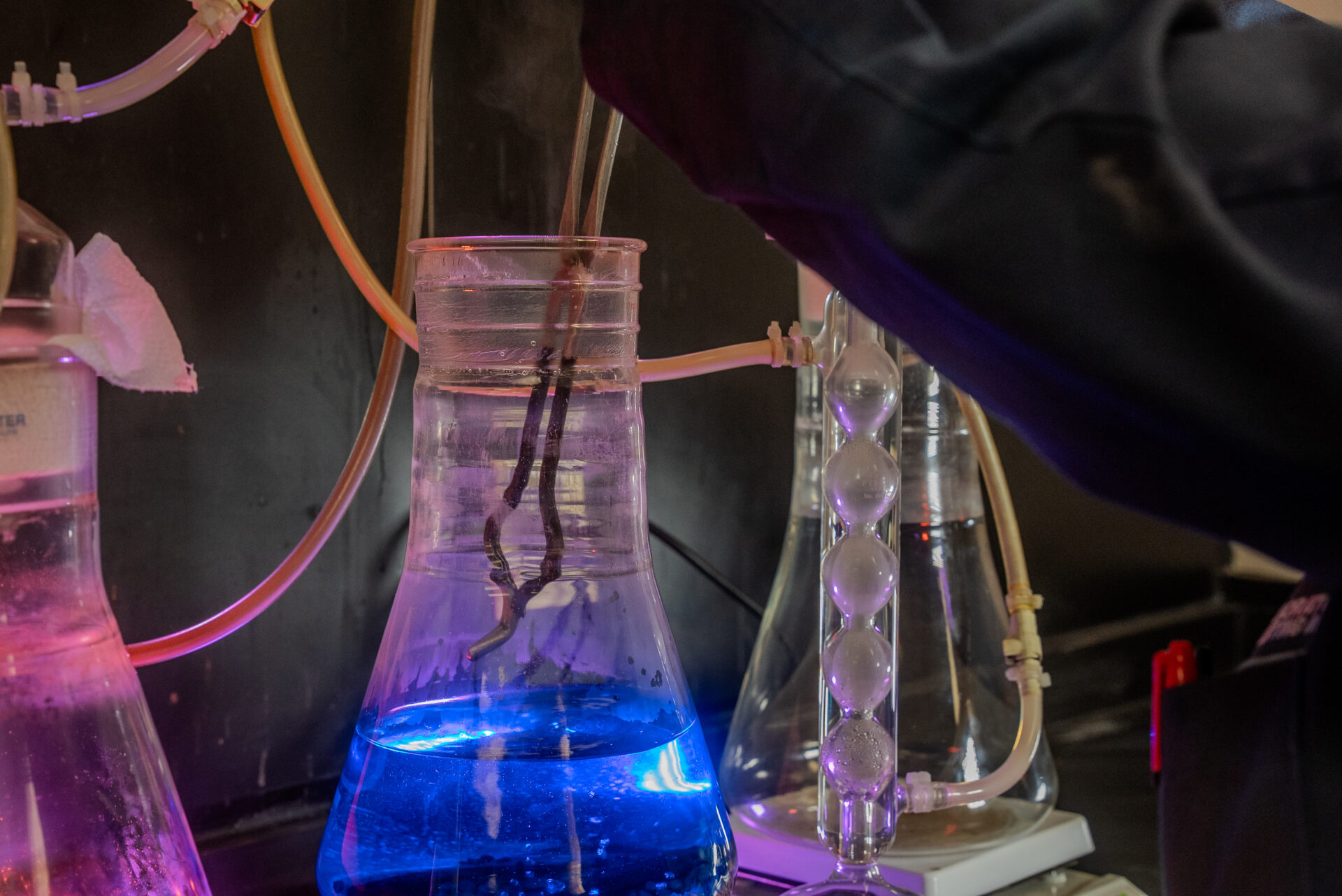
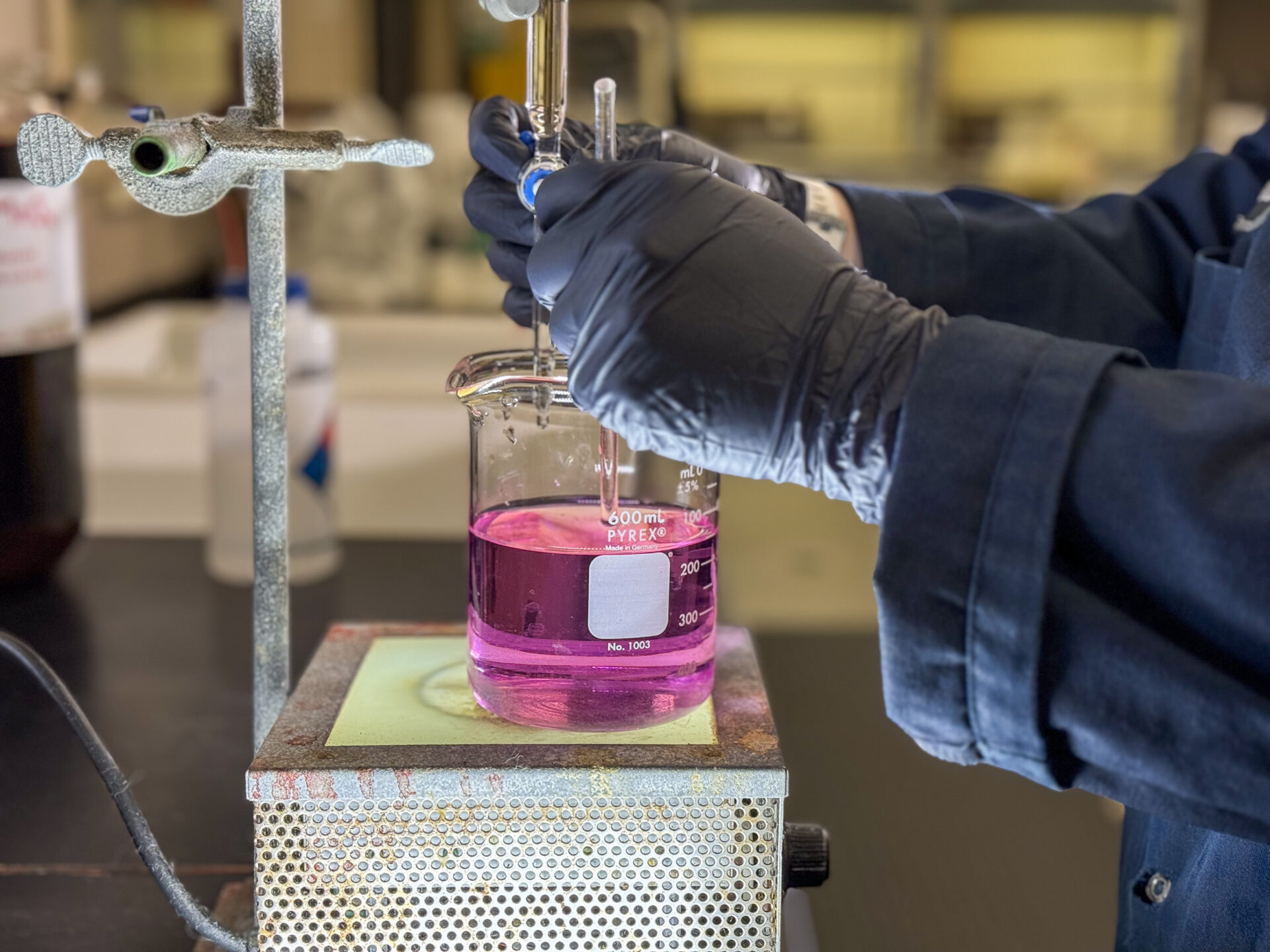
Accelerated intergranular corrosion testing can detect the susceptibility of a material to one or more forms of corrosion in a relatively short period of time. Our specialists perform accelerated intergranular corrosion analysis to ASTM A262 and other test methods such as salt spray testing (salt fog), humidity and passivation testing to help customers determine the impact of environmental conditions on their materials and products. Our corrosion testing is performed according to ASTM and other industry standards:
Corrosion Testing Capabilities at LTI
- Salt Spray Test / Salt Fog (ASTM B117 Testing)
- Humidity Test (AMS 2700)
- Passivation Testing (ASTM A967, ASTM A380 & MIL-STD 753 Methods 102 & 103)
- Intergranular Attack/Oxidation
- Alpha Case
- Accelerated Intergranular Corrosion
- Susceptibility to Intergranular Attack in Austenitic Stainless Steels (ASTM A262 Practice A, B, C, E)
- Susceptibility to Intergranular Corrosion in Wrought, Nickel-Rich, Chromium-Bearing Alloys (ASTM G28 Methods A & B)
- Pitting and Crevice Corrosion Resistance of Stainless Steels and Related Alloys (ASTM G48 Methods A, B, C, D, E & F)
- Visual Assessment of Exfoliation Corrosion Susceptibility of 5XXX Series Aluminum Alloys (ASSET Test) (ASTM G66-99(2005)e1)
- Susceptibility to Intergranular Corrosion of 5XXX Series Aluminum Alloys by Mass Loss After Exposure to Nitric Acid (NAMLT Test) (ASTM G67-04)
- Detrimental Intermetallic Phase in Duplex Austenitic/Ferritic Stainless Steels (ASTM A923 Method C)
Our salt spray test, also known as salt fog test, is performed according to the ASTM B117 testing method. The test is run in our new salt spray chamber with precision temperature control. Our environmental chamber is ideal for ensuring the reliability of products such as electronic items through exposure to thermal cycling, fast temperature cycling, and extreme temperature and humidity conditions. Temperature testing is available in the range of -94°F to +356°F (-70°C to +180°C). Humidity testing is in the range of 10% to 95% relative humidity and simulates a damp environment. The humidity and temperature working ranges comply with DIN, ISO, MIL, IEC, DEF and ASTM testing standards.
A Scanning Electron Microscopy and Energy Dispersive X-ray Spectrometry (SEM/EDS) system at Laboratory Testing provides extensive corrosion testing capabilities. The EDS is capable of analyzing corrosion deposits to identify the corrosive agent. The SEM EDS equipment is particularly helpful in microanalysis and analyzing small areas of interest on samples. The SEM provides magnification to 300,000x and high resolution imaging of samples.