
Liquid Penetrant Inspection
Liquid penetrant inspection relies on a fluorescent or visible dye penetrant seeping into a flaw such as a lap, seam, fracture, or crack. This forms a surface indication that can be evaluated under special lighting. The inspection provides information about the shape and size of any defects that are open to the surface. LTI has been performing nondestructive liquid penetrant testing services in Philadelphia since 1984.
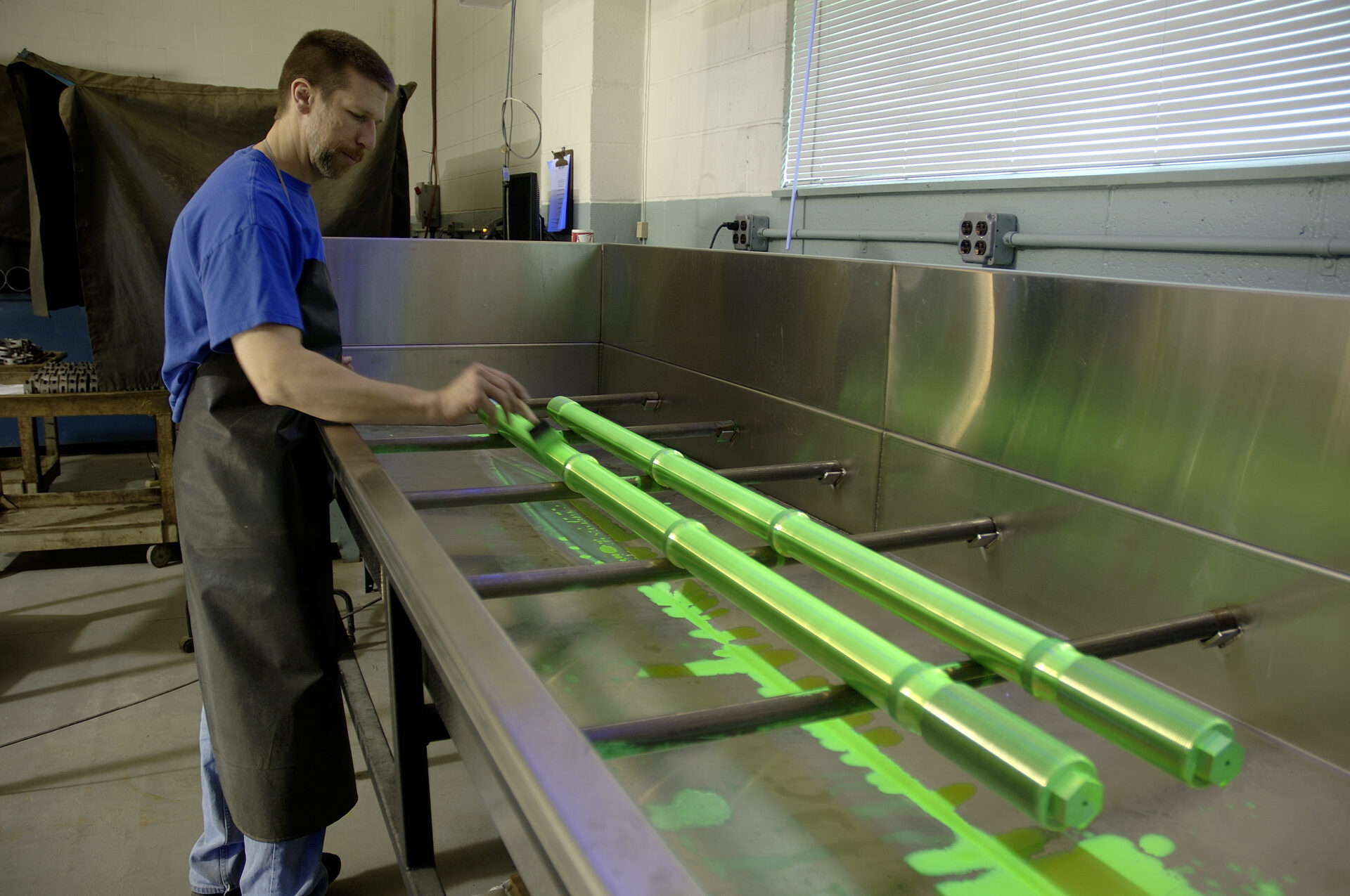
Liquid Penetrant Inspection at LTI
Liquid penetrant testing, also known as fluorescent penetrant inspection or dye penetrant testing, is reliable for detecting surface-breaking flaws in materials with a non-porous surface, such as metals, plastics, glass, and ceramics.
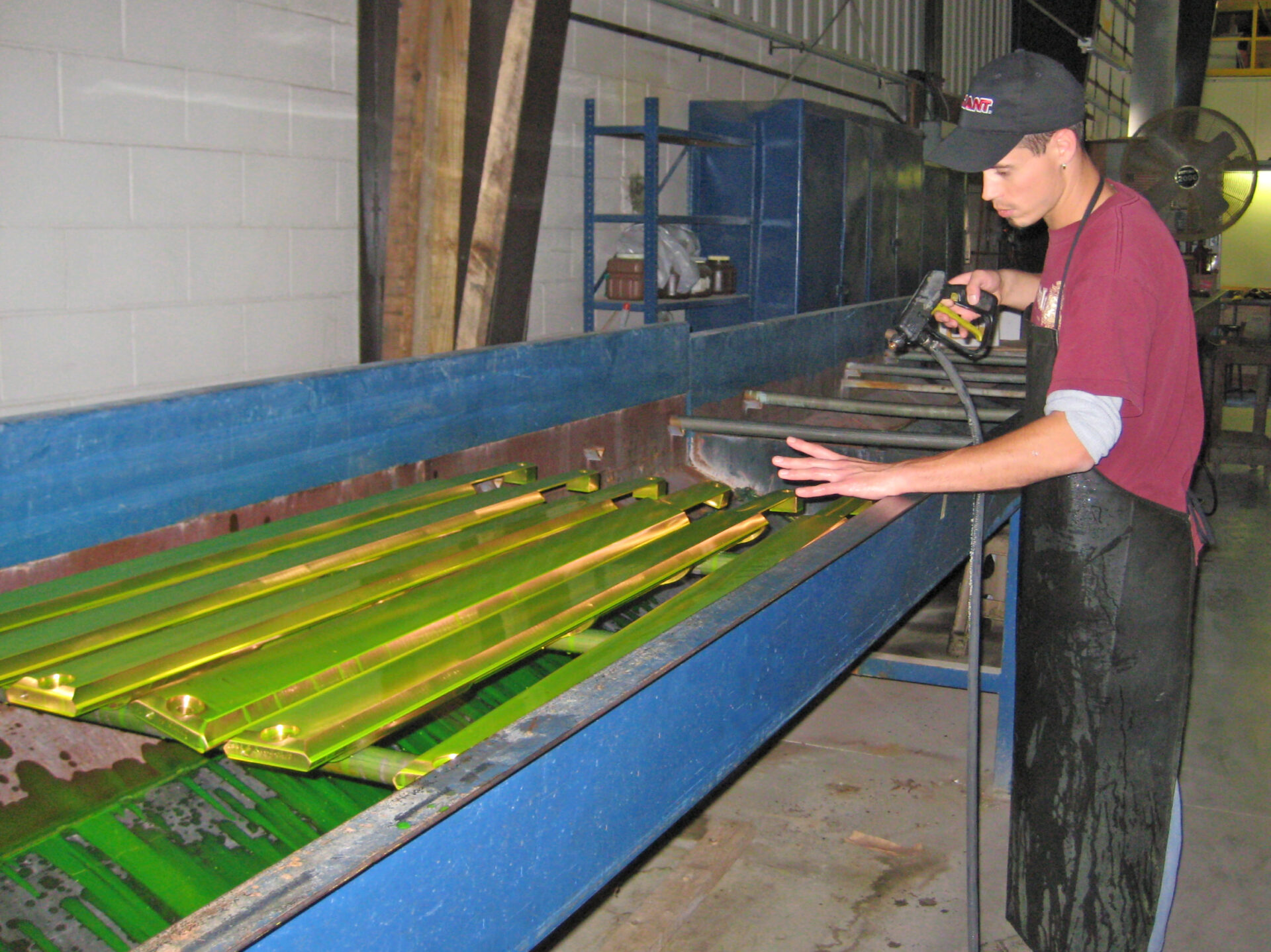
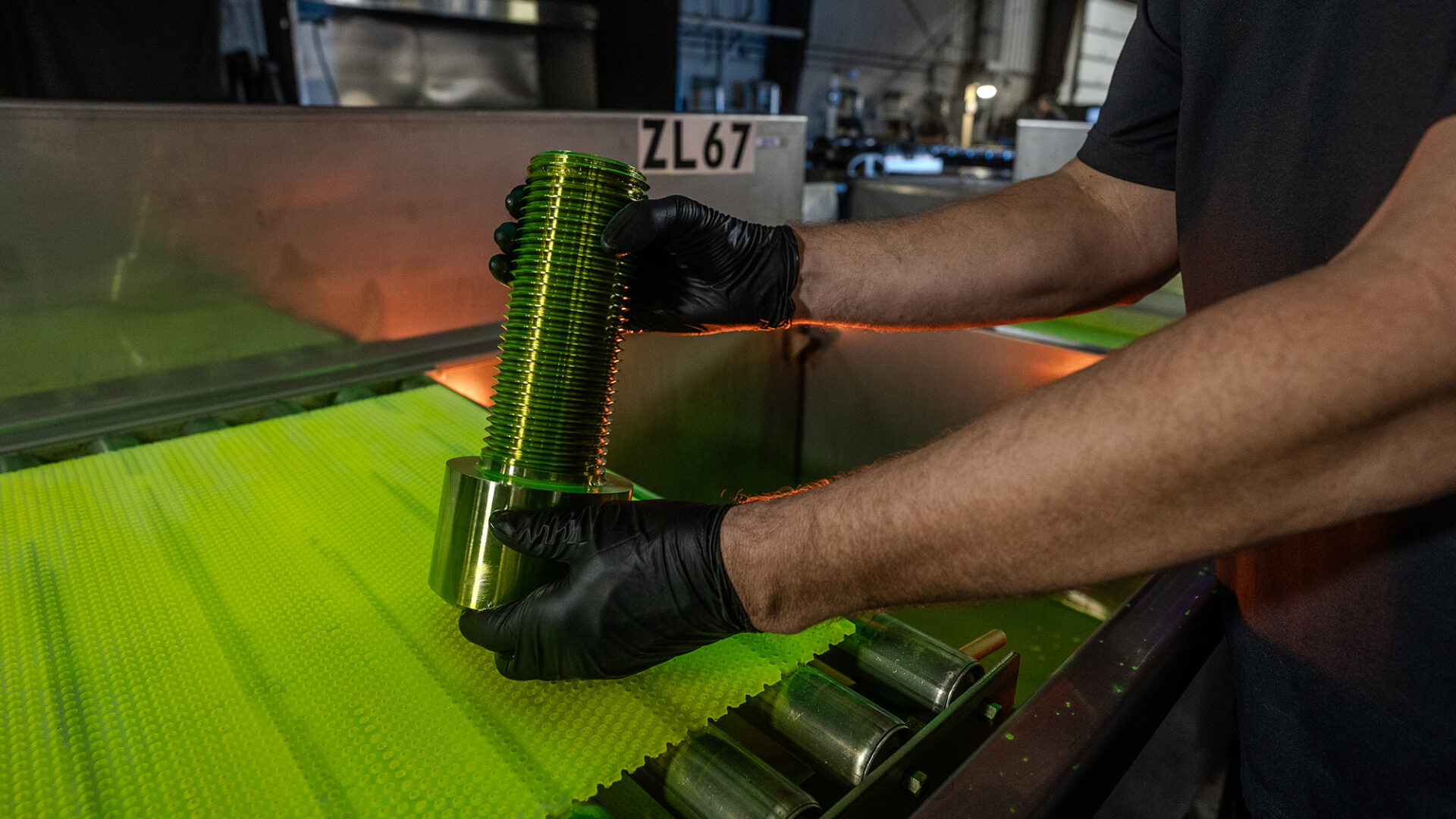
LTI performs liquid penetration testing by first coating clean test pieces with a fluorescent or red visible dye penetrant. The pieces are left to sit, allowing the penetrant to have appropriate dwell time to soak into the flaws. After rinsing the test pieces, the penetrant is visible only in the areas with flaws.
Capabilities
Specifications
The LTI Advantage
Partner With LTI Today
Laboratory Testing has the capacity and capabilities to handle all your material testing needs in a single location. Since 1984, we’ve aided customers worldwide with accurate nondestructive testing and precise material lab services. Request a quote or contact us today to see how our industry-leading turnaround times can keep your mission-critical approvals moving forward.