• FREE email and fax certifications
  • FREE pick up and delivery within 60 miles of LTI
  • Same day, next-day, and 2nd-day rush service available
  • FREE online order tracking at LTI Live Update with up-to-the-minute job status
  • Accredited by A2LA to ISO/IEC 17025 and by PRI/Nadcap

Employee Directory Contact Us Accreditations RFQ

OUR CUSTOMERS SAY:

“I wanted to say thank you to the LTI Team for all the support they have provided in our source inspections, as well as on expedited projects. It is nice to work with a group that not only has technical knowledge, but cares about getting the job done right the first time. I know I can count on the LTI team to help me in many situations. N.G.K. Metals looks forward to many more years of working with you.”

David Britt,
N.G.K. Metals Corp.

» READ MORE TESTIMONIALS


Connect with us!


We Accept:

Ultrasonic Testing

Reliable Testing for Defects and Measurement

Immersion ultrasonic testing

Ultrasonic testing (UT testing) or ultrasonic inspection services are used to locate internal and external product defects and measure wall thickness discontinuities in tubing, pipe and other materials without causing damage during inspection. Laboratory Testing Inc. provides both immersion and contact ultrasonic non destructive testing methods with the ability to inspect products and materials in all shapes and sizes.

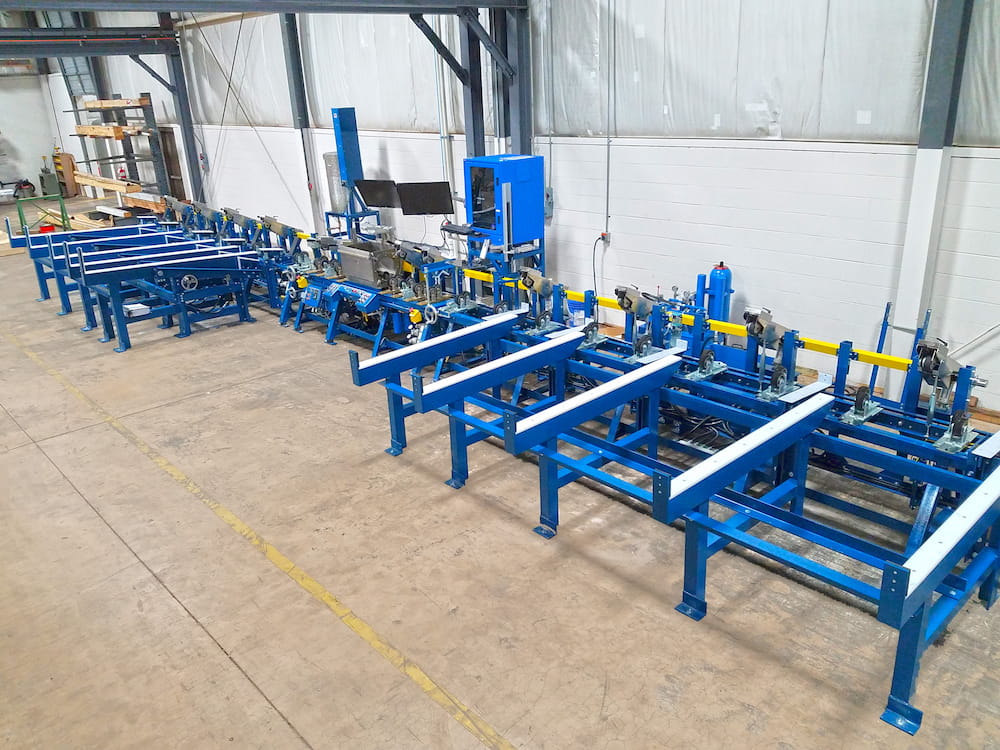
LTI runs five immersion ultrasonic testing systems on two work shifts for high-speed inspection of round stock. All of our immersion ultrasonic inspection equipment is computerized for paperless chart recording and file retention. Lab Testing maintains an extensive in-house collection of tube, pipe, bar and plate UT reference standards for efficient processing of orders.

Computerized UT testing systems

Ultrasonic testing services at LTI are PRI/Nadcap accredited. NDT Level II and Level III inspectors and an NDT MIL-STD-2132 Examiner for both immersion and contact ultrasonic non destructive testing are on staff. Both contact and immersion ultrasonic testing are performed to MIL-STD 271, MIL-STD-2132 and ASME specifications. Our technicians are certified to ASNT SNT-TC-1A, NAS410/MIL-STD-410, MIL-STD-2132 and Pratt & Whitney PWA-NDTQ to meet your industry requirements.

The Test Process

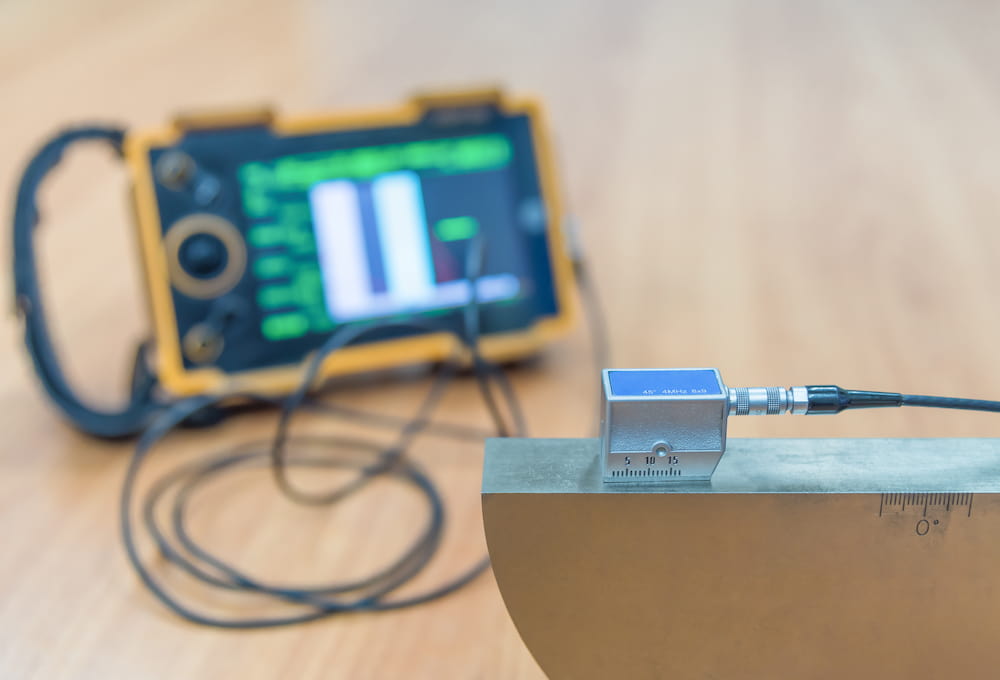
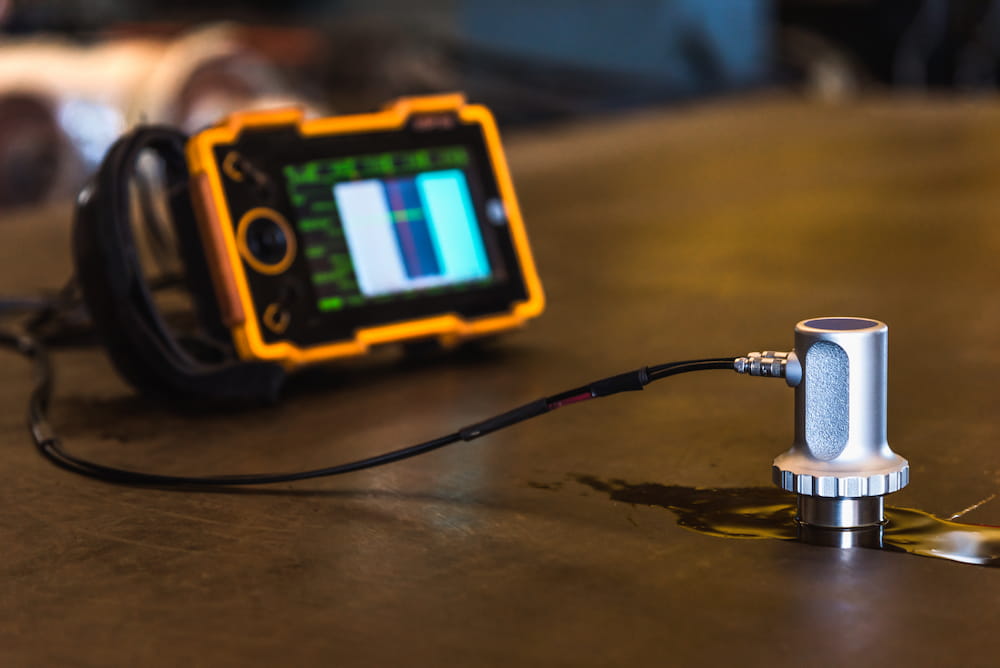
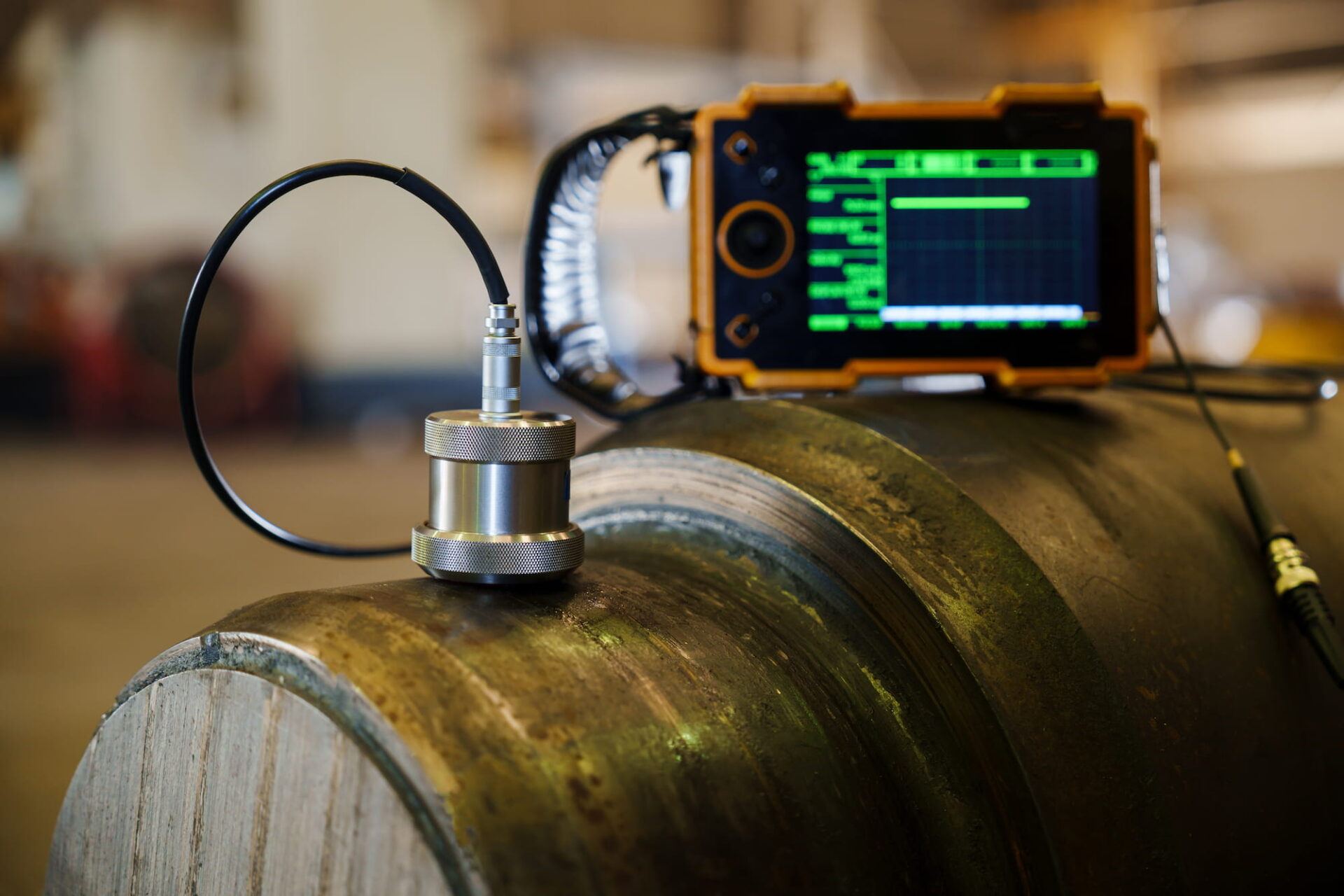
During ultrasonic testing, an ultrasound probe connected to the test equipment transmits short pulses of high-frequency sound waves into the item being inspected while passing over its surface. A defect or inconsistency will cause some of the energy to be reflected. Sound pulses are displayed on a screen when reflected from features within the test material. The technician interprets these reflected signals to determine if the product or material is defective or acceptable according to the test specification or requirements.

Ultrasonic inspection tank

Immersion ultrasonic inspection takes place in a liquid which conducts the sound waves between the probe and test material. The process is partially automated and eliminates the need for direct contact with the test material during inspection. An ultrasonic probe emitting sound waves is manually run over the surface of the test piece during contact inspection. When it can be used, the immersion ultrasonic testing method is preferred because it can be faster and more accurate.

LTI Capabilities

  • Immersion UT (high speed) – Five immersion ultrasonic inspection machines for tubing, pipe and other round stock from 1/8 in. to 6 5/8 in. diameter and 70 ft. in length.
  • Immersion UT (tank) – A two-axis, five-channel A, B, and C scan immersion ultrasonic testing tank system for oversized tubing, pipe and other round material up to 16 ft. long with a diameter up to 24 in. and flat material up to 16 ft. long and 4 ft. wide with a weight limit of 3000 lbs.
  • Contact UT – Contact UT testing equipment for all other materials that fall outside the size limitations of our immersion systems.

Specifications

  • ASTM E213
  • ASTM A388
  • ASTM A578

News & Articles

Reliable Testing for Defects and Measurement
UT Immersion Tank for Oversized Materials